
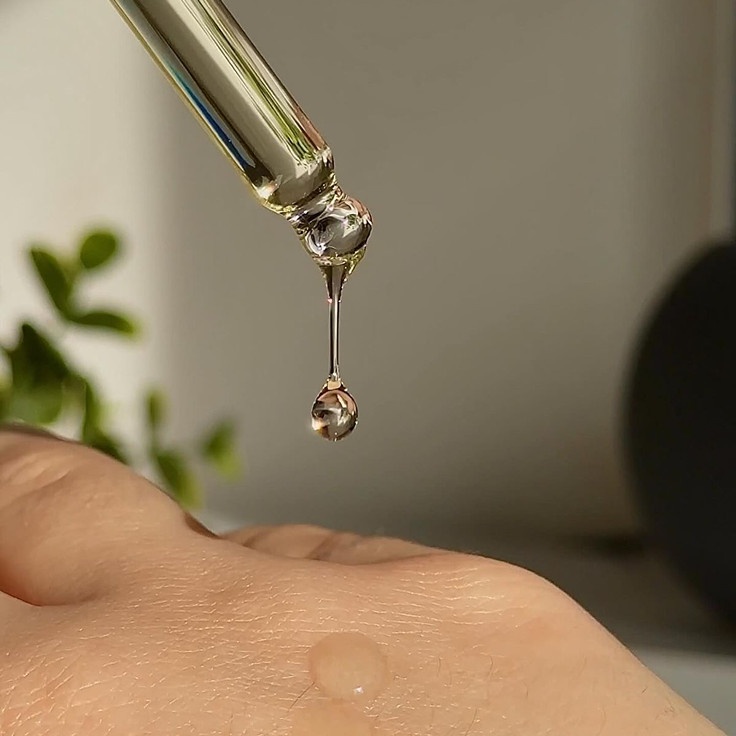
Face oils often get misunderstood. Some people think they’re too heavy. Others believe they’re only for dry skin. And many apply them… but don’t really know why or how they work.
The truth is, a well-formulated face oil can be one of the most versatile, nourishing, and results-driven steps in your skincare routine, when used the right way.
This guide will walk you through how to use face oil effectively, how to fit it into your routine, and how to get the best results without overthinking skincare. Think of this as friendly guidance, not rules so you can enjoy the process while giving your skin what it truly needs.
Why Use a Face Oil at All?
What does face oil actually do for your skin?
Face oils work differently from creams. Instead of adding water, they lock in moisture, support the skin barrier, and deliver concentrated plant actives directly to the skin.
When used consistently, the right face oil can help:
- Improve skin softness and glow
- Strengthen the skin barrier
- Reduce moisture loss
- Support skin repair and balance
360’s face oils are crafted with traditional botanicals and cold-pressed oils, designed to work with your skin not overwhelm it.
Think of face oil as the finishing touch that helps everything else in your routine perform better.
When Should You Apply Face Oil in Your Routine?
Before moisturizer, after moisturizer, or instead of it?
One of the most common questions and the answer depends on your skin type and your routine.
The general rule:
Apply face oil after water-based products
A simple order looks like this:
- Cleanser
- Toner / mist (optional)
- Serum
- Moisturizer (optional)
- Face oil
Face oil acts like a seal, it locks in everything applied before it.
If your skin is dry or mature:
You can apply face oil after moisturizer or mix a drop into your cream.
If your skin is oily or combination:
Use face oil as the last step, in a small quantity, especially at night.
How Much Face Oil Do You Really Need?
More drops don’t mean better results
This is where many people go wrong.
Face oil is concentrated, so a little goes a long way.
- 2–3 drops → Normal to oily skin
- 3–4 drops → Dry or mature skin
- 1 drop → Morning use under sunscreen
Warm the oil between your palms before applying, this helps it spread evenly and absorb better.
How to Apply Face Oil for Best Absorption
Rubbing vs pressing—does it matter?
Yes, it does.
The best technique:
- Warm oil between palms
- Press gently into the skin, starting from the centre of the face
- Move outward and upward
- Finish with light tapping
Avoid aggressive rubbing. Gentle pressure encourages absorption and improves circulation without stressing the skin.
This method works especially well with 360’s Ayurvedic face oils, which are designed to activate with warmth and touch.
Can Face Oil Be Used in the Morning?
Will it make your skin greasy during the day?
Absolutely—you can use face oil in the morning, as long as you adjust the quantity.
Morning tips:
- Use 1–2 drops max
- Apply on slightly damp skin
- Allow 2–3 minutes before sunscreen
- Choose lightweight formulations
A small amount of face oil in the morning can actually help makeup sit better and give your skin a healthy, natural glow.
How to Use Face Oil at Night
Why nighttime is when face oils truly shine
Night is when your skin repairs itself, making it the ideal time to use face oil generously.
At night, face oil can:
- Support skin regeneration
- Reduce dryness and tightness
- Improve texture over time
This is where richer oils like 360’s Kumkumadi-inspired or herbal blends fit beautifully into a routine focused on nourishment and restoration.
Face Oil for Different Skin Types
Yes—even oily and acne-prone skin
Dry skin
- Use daily, morning and night
- Layer over hydrating serums
- Slightly increase quantity
Oily or acne-prone skin
- Use at night only
- Stick to lighter oils
- Apply minimal quantity
Sensitive skin
- Patch test first
- Use oils with calming botanicals
- Avoid over-layering
Well-formulated oils don’t clog pores, overuse and poor formulation do. That’s why ingredient quality matters.
Common Face Oil Mistakes to Avoid
Small changes that make a big difference
- Applying oil on completely dry skin
- Using too much product
- Skipping cleansing before application
- Rubbing aggressively
- Expecting instant results
Face oil works best when used consistently and mindfully, not aggressively.
How Long Does It Take to See Results?
What’s realistic—and what’s not
Face oils aren’t quick fixes, but they do deliver visible improvement with time.
What you may notice:
- Immediately: Softness, glow
- 1–2 weeks: Better hydration, smoother texture
- 3–4 weeks: Improved tone, healthier-looking skin
Consistency matters more than quantity.
How to Choose the Right Face Oil
Not all oils are created equal
Look for:
- Cold-pressed oils
- Minimal, purposeful ingredients
- Traditional botanicals with proven use
- No unnecessary fillers
360’s face oils are designed to support skin health gently, making them suitable for long-term use as part of a balanced routine.
Simple Face Oil Routine (Easy Takeaway)
If you want something you can follow every day
Morning
- Cleanse
- Light moisturizer (optional)
- 1 drop face oil
- Sunscreen
Night
- Cleanse
- Serum
- 3–4 drops face oil
- Gentle facial massage
That’s it, no complicated layering needed.
Final Thought: Face Oil Is About Care, Not Correction
Face oil isn’t about fixing something that’s “wrong” with your skin. It’s about supporting your skin so it can function at its best.